
Exploring the cultural significance of gambling around the world
The Historical Roots of Gambling
The history of gambling dates back thousands of years, deeply woven into the social and cultural fabric of various civilizations. Archaeological evidence suggests that ancient Chinese and Roman societies engaged in gambling activities as early as 2300 BCE. In these times, games of chance were not just entertainment but also served as means for engaging in trade and communal bonding. This historical context highlights that gambling has always played a role beyond mere chance, representing societal values and behaviors. Today, many online platforms, such as https://themethspin.com, continue this tradition of providing exciting gambling experiences.
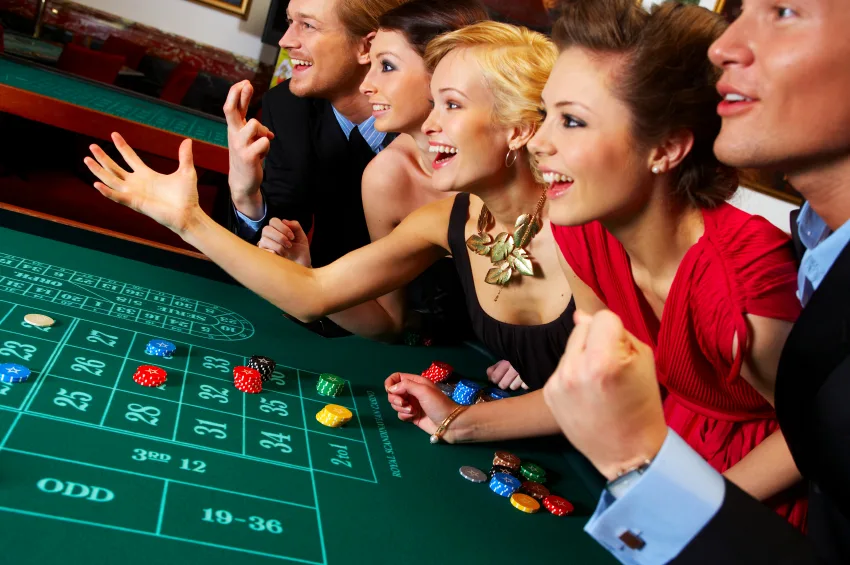
As we explore different cultures, we find gambling manifesting in unique forms, from the dice games in ancient Egypt to card games in India. These activities often reflected the local belief systems and philosophies. For instance, in many Indigenous cultures, gambling was tied to spiritual practices, where games served as a way to connect with the divine. This rich history showcases how gambling has evolved alongside humanity, often symbolizing more than just a gamble but also a shared heritage.
In modern times, these historical foundations have led to the establishment of various gambling institutions, including casinos and sports betting arenas. Each culture has adopted and adapted gambling to fit their societal norms, which reflects their unique journey through history. Consequently, understanding this evolution provides essential insight into why gambling remains a significant activity worldwide, intertwining tradition with contemporary social interactions.
The Psychological Aspects of Gambling
The psychology of gambling is a fascinating area of study that delves into why individuals are drawn to games of chance. Psychological theories suggest that the thrill of gambling triggers the brain’s reward system, releasing dopamine and creating feelings of pleasure. This chemical response can explain the addictive nature of gambling, as players often chase that euphoric high associated with winning. The anticipation of winning can sometimes be more exhilarating than the actual game itself, fueling a cycle of repeated behavior.
Additionally, many gamblers engage in what is known as “irrational thinking,” where they perceive patterns or signs that don’t exist. This cognitive bias often leads individuals to believe they have a better chance of winning than they truly do. For example, a player might think that a slot machine is ‘due’ for a payout after a series of losses. These psychological factors are crucial to understanding gambling behaviors and explain why some individuals may gamble despite the potential for financial loss.
Social factors also play a pivotal role in gambling behavior. Peer pressure, cultural acceptance, and social gatherings often encourage participation in gambling activities. From high-stakes poker games among friends to large-scale lotteries, gambling creates social bonds that further entrench its cultural significance. Understanding these psychological and social dynamics provides deeper insights into why gambling continues to captivate diverse populations across the globe.
The Role of Gambling in Different Cultures
Across the globe, gambling takes on varied forms influenced by local traditions and social norms. In Western cultures, casinos are prevalent, often embodying glamour and excess, while in Eastern cultures, practices like Mahjong and Sic Bo represent a communal activity often associated with family gatherings. These cultural differences not only highlight the diverse practices of gambling but also underscore the shared human experience of chance-taking and competition.
Moreover, some cultures have integrated gambling into religious or spiritual practices. For instance, in ancient Greece, gambling was often associated with divination, where outcomes were interpreted as messages from the gods. Similarly, in some Native American cultures, gambling has historical ties to tribal rituals and community cohesion, reinforcing its significance beyond mere entertainment.
The evolution of gambling practices also reflects broader societal changes. In recent years, the legalization of gambling in various regions has altered its cultural status, transforming it from a taboo subject to a legitimate form of entertainment. This shift represents a growing acceptance of gambling within mainstream culture, illustrating how deeply intertwined gambling is with societal values and norms, reflecting changing attitudes toward risk and reward.
The Economic Impact of Gambling
The economic implications of gambling are profound, contributing significantly to local and national economies. Many regions that have embraced gambling see it as a vital source of revenue, generating jobs and stimulating tourism. For instance, cities like Las Vegas and Macau have built entire economies around the gambling industry, drawing millions of visitors each year. This influx of tourists not only boosts the gaming sector but also supports local businesses, from hotels to restaurants.
However, the economic benefits of gambling are not without controversy. Critics argue that while gambling can generate revenue, it often comes at a social cost, such as increased rates of addiction and related social issues. The challenge lies in balancing these economic gains with the responsibility of addressing the potential adverse effects on individuals and communities. Responsible gambling initiatives and education are essential to mitigate the negative impacts while still reaping the economic benefits.
Furthermore, taxation from gambling revenues can fund essential public services, such as education and healthcare, thus further integrating gambling into the economic landscape. This multifaceted economic impact highlights the complexity of gambling’s role in society, showcasing its potential as a force for both good and ill, dependent on how it is managed and regulated.

Your Gaming Experience Awaits
For those interested in exploring the excitement of gambling, online platforms provide a convenient and accessible way to participate. One such destination is MethSpin Casino, which offers an array of gaming options tailored to various preferences. With over 1,500 games, including slots and table games, players can enjoy a comprehensive gaming experience from the comfort of their homes. MethSpin Casino prioritizes a secure and fair gaming environment, ensuring that every player can engage confidently.
The platform also boasts generous welcome bonuses and ongoing promotions, making it an attractive choice for both novice and experienced gamers. With 24/7 player support, MethSpin Casino is dedicated to enhancing your gaming journey, addressing any queries or concerns to provide an uninterrupted experience. In an ever-evolving world of gambling, finding a reliable platform is key to maximizing enjoyment and safety.
By understanding the cultural significance of gambling and the psychological nuances behind it, players can approach their gaming experiences with greater insight and awareness. Exploring platforms like MethSpin Casino not only offers entertainment but also connects users to a broader cultural phenomenon that spans across the globe. Join the exciting world of online gaming today and immerse yourself in a culturally rich experience that transcends borders.
